SIM2 SEEING FIRST
Seeing First is SIM2’s approach to high-end projection: understanding how we see, then engineering the image around it.
What makes an image better
Projection quality is measured through light output, contrast, resolution, colour gamut and HDR performance. These measurements are essential because they tell us what a system is doing.
They do not, on their own, describe what a viewer will perceive. The projector, screen, room and content all affect the image reaching the eye, while the visual system adapts to brightness and its surroundings. Seeing First asks how these factors work together in a real viewing environment.
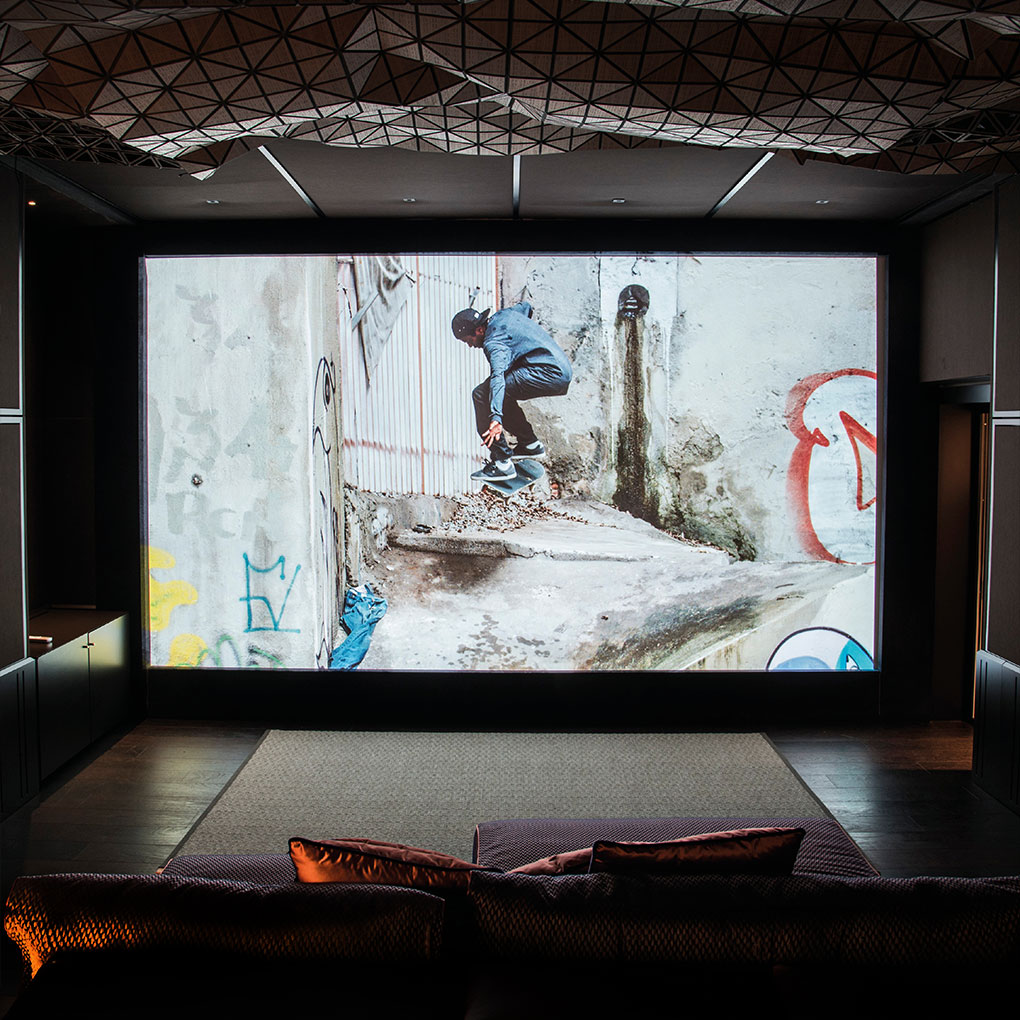
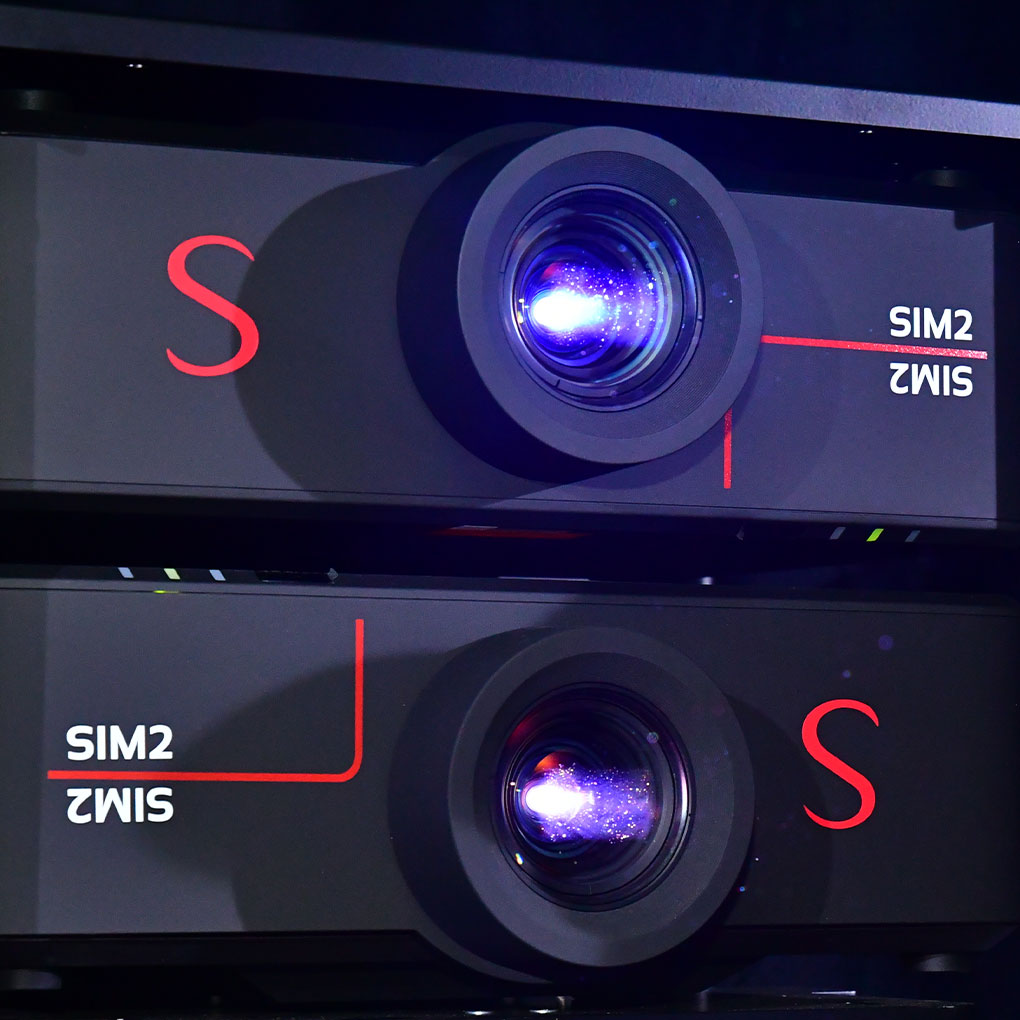
A different starting point
Conventional approach: Technology → Specifications → Image
Seeing First: Human vision → Research → Engineering → Image
The engineering rigour is the same. The viewing experience defines the questions we ask.
Research into perception
Human vision adapts continuously. Perceived brightness and contrast depend not only on the light from the screen, but also on surrounding light, adjacent tones and the scene itself.
SIM2 R&D investigates how these relationships apply to high-end projection with Professor Alan Chalmers of WMG at the University of Warwick and with Middle East Technical University (METU) in Ankara.
Professor Chalmers chaired EU COST Action IC1005, which coordinated HDR research across 44 institutions in 26 countries. The aim is to relate measurements to what viewers perceive, not to replace one with the other.

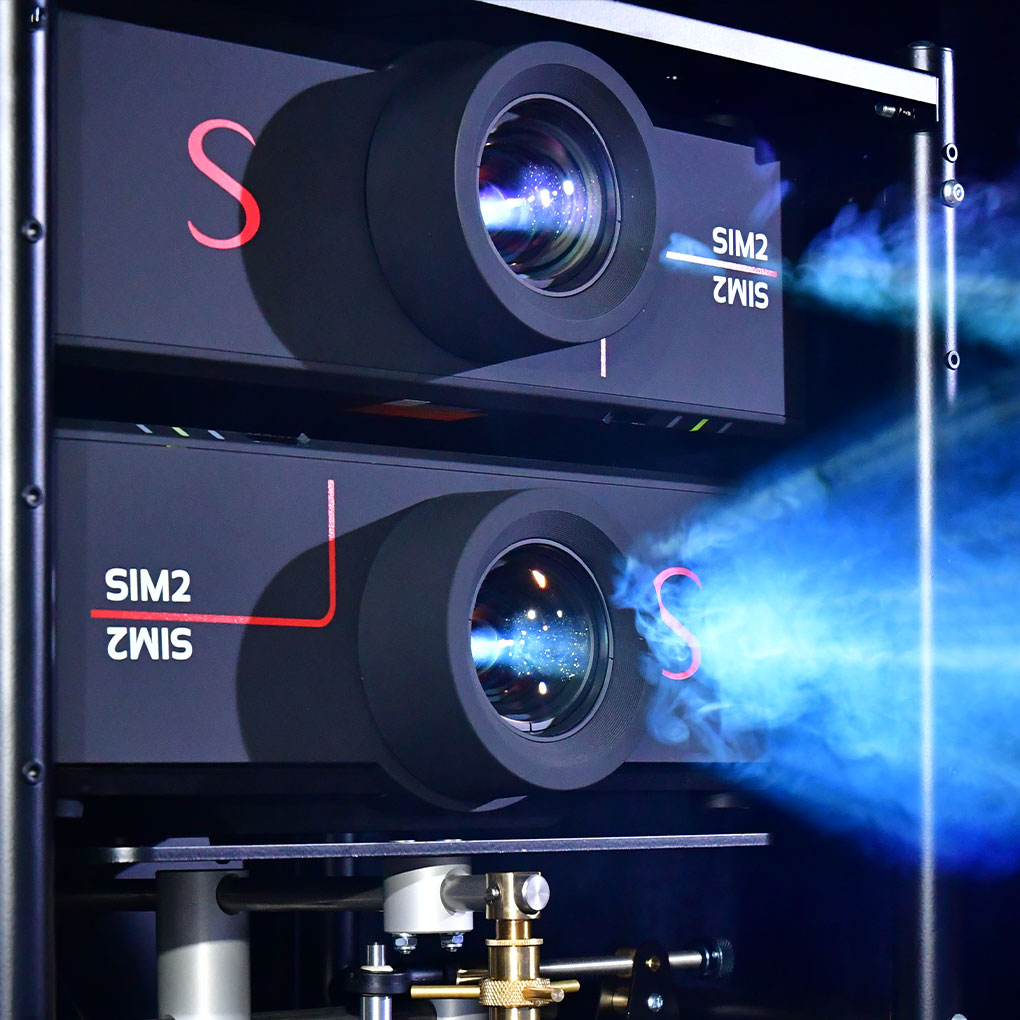
What change the viewing experience
Contrast depends on context
A dark or bright area can appear different as the surrounding image changes.
Luminance affects more than brightness
Changes in luminance can also affect perceived contrast, colour and detail.
The room affects the image
Screen size and gain, ambient light, wall colours and seating position all influence the viewing conditions.
Content places different demands on the system
A face in shadow and a landscape in full sunlight require different balances of light, contrast and tonal detail.
From research to engineering
Seeing First is not a product line or picture mode. It is an approach SIM2 uses when considering light management, contrast, HDR behaviour and the interaction between projector, screen and room.
Measurement shows how a system performs. Viewing it in the intended environment shows whether those engineering choices produce the desired result. Some differences can be measured. Others need to be seen.
SIM2 engineering. Built around human vision.

Choosing for the room
A projector should be selected for a particular screen, room and viewing pattern. The descriptions below indicate the intended use of each model; final selection depends on the full room specification.
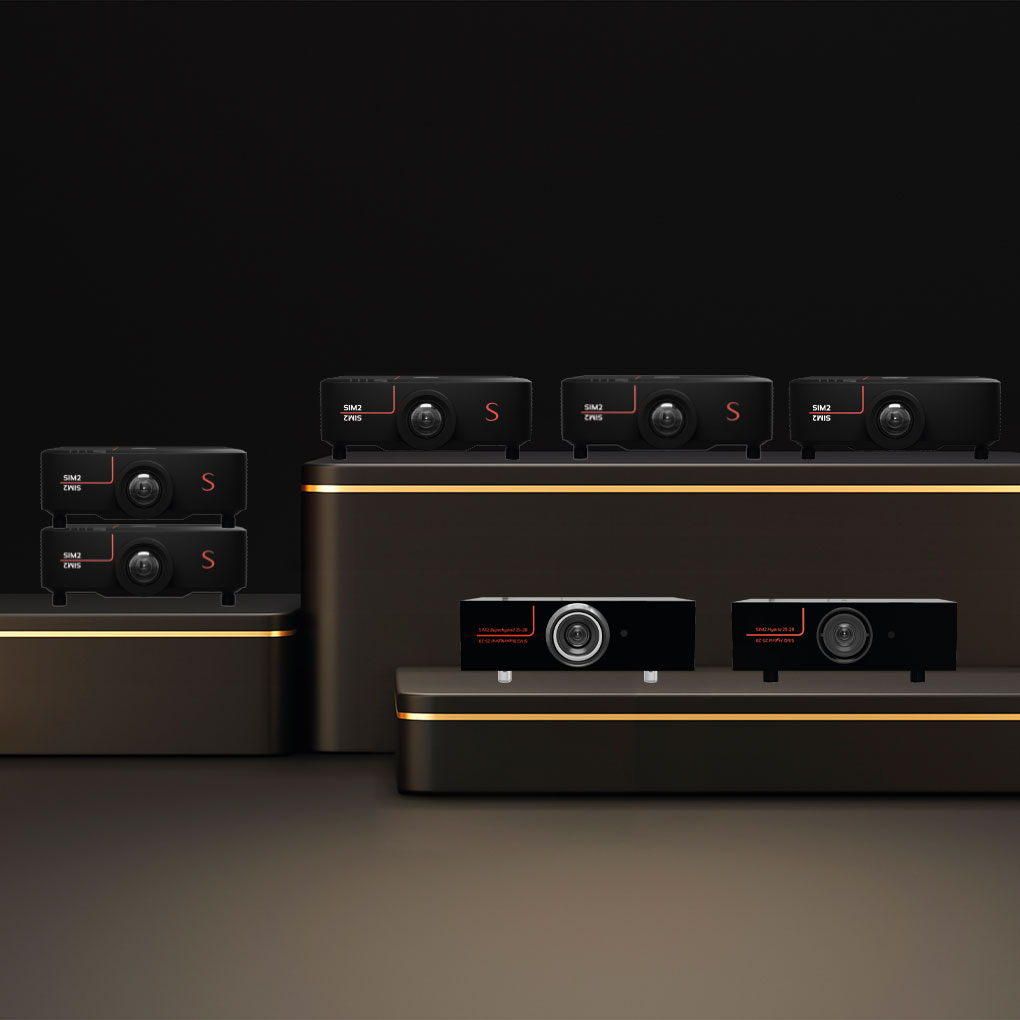
The largest private theatres · UltraNero 4S DUO
For very large screens, UltraNero 4S DUO uses two specialised imaging engines with different roles, aligned to produce a single image. Its purpose is to extend brightness and contrast performance for demanding installations.
The room built for cinema · UltraNero 4 · UltraNero 4S
The UltraNero platform is designed to combine high light output with black level, uniformity and colour consistency. UltraNero 4S adds controls that help installers adapt the projector to the room.
The controlled room · UltraNero 4S HC
For fully dark rooms and moderate screen sizes, UltraNero 4S HC uses an optical design tuned for contrast, tonal separation and perceived depth.
The room you dim · Crystal 4SH
Crystal 4SH is designed for larger screens in rooms where ambient light can be controlled, and is housed in SIM2’s crystal cabinet.
The room you live in · Domino 4H
Domino 4H is designed for living spaces where ambient light is managed rather than eliminated.
Read the seeing first paper
A six-page technical paper on visual adaptation, viewing conditions and why two well-calibrated systems can produce different results in different rooms. Written by Domenico Toffoli, SIM2 R&D Director, for integrators, designers and home cinema specialists.
Research and technical material
SIM2 continues to study the relationship between projection technology, viewing conditions and human visual perception with Professor Alan Chalmers, the University of Warwick and METU.
Request Professor Alan Chalmers’ presentation, the SIM2 Seeing First paper or information about future research updates.

Contact
Contact us to find out more about our company and products.